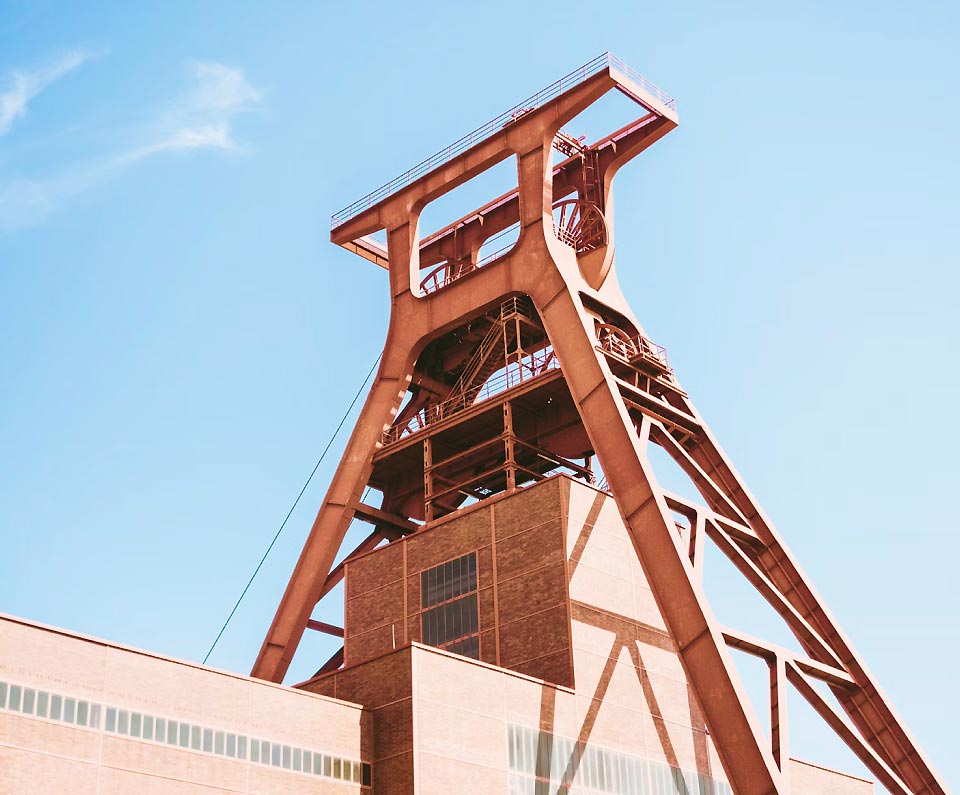
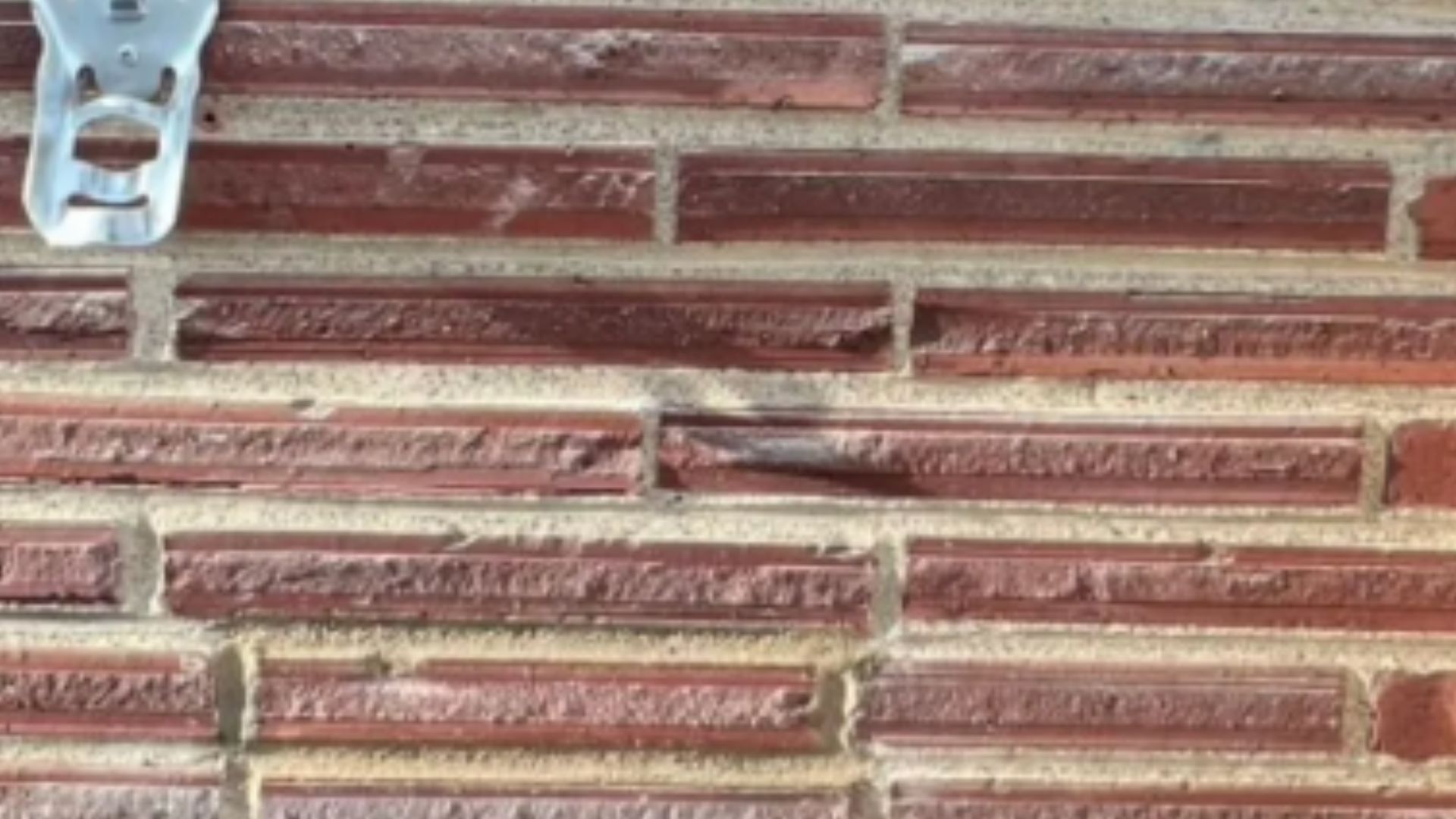
In Kent, WA and surrounding areas, brick damage is easy to underestimate. A small crack in a chimney, separation in mortar joints, or a few loose bricks can look cosmetic at first glance. But brick systems don’t usually fail all at once — they decline in stages. What begins as minor deterioration can gradually affect stability, moisture resistance, and overall structural performance. For homeowners, that raises an important question: is brick repair truly necessary for structural safety, or is it something that can wait?
The answer, in most cases, is yes. Brick repair can be essential for structural safety — especially when damage affects load-bearing areas, chimney stacks, retaining walls, or masonry exposed to repeated moisture intrusion. Cracked bricks, deteriorated mortar joints, leaning sections, bulging walls, and visible movement are all signs that the masonry system may no longer be distributing weight or resisting weather the way it should.
For homeowners relying on masonry services in Kent, WA, the local climate adds urgency. Frequent rain, moisture saturation, temperature shifts, and age-related wear can accelerate deterioration faster than many homeowners realize. Not every crack signals immediate danger — but ignoring damaged masonry allows water to enter, materials to weaken, and repair costs to grow. The smartest approach isn’t panic — it’s evaluation. Structural brick issues become more serious when left untreated, especially around chimneys and exterior masonry exposed to Pacific Northwest weather.
Why Brick Damage Matters More Than Homeowners Think
Brick is strong, but it is not indestructible, and as the National Park Service explains in its resource on common problems with brick masonry, moisture intrusion, mortar deterioration, and cracking can gradually weaken masonry systems over time.
That last point matters deeply in Kent. With regular rainfall and persistently damp seasonal conditions, masonry is constantly exposed to moisture. When water enters weakened mortar joints or hairline cracks, it doesn’t simply disappear — it expands deterioration. Mortar softens. Freeze-thaw cycles widen damage. Bricks begin to shift. A chimney that once looked solid can slowly become unstable from the top down.
This is why brick masonry in Kent, WA isn’t just about appearance. It’s about preserving the function of the entire masonry system before visible wear turns into structural movement. Whether you’re dealing with a deteriorating chimney or a crumbling exterior wall, the principle is the same: early attention to masonry services in Kent, WA protects both your home and your wall.
When Should You Worry About Non-Structural Cracks in Brick?
Not every crack in brick means the wall or chimney is failing structurally. Some cracks are superficial — related to minor settling, aging mortar, or isolated surface stress. But even non-structural cracks deserve attention because they often act as entry points for water.
A good rule of thumb: a small crack may not be structurally dangerous today, but it can become a structural problem if it allows moisture to keep entering the system.
Homeowners in Kent, WA should pay closer attention if they notice any of the following:
- Stair-step cracks along mortar joints
- Vertical cracks near corners or chimney edges
- Cracks that appear wider than before
- Loose or flaking mortar between bricks
- White staining (efflorescence) on brick surfaces
- Bricks that appear pushed outward or uneven
These signs don’t always mean emergency failure — but they do mean the masonry should be inspected before another wet season makes the problem worse. A qualified provider of masonry services in Kent, WA can quickly distinguish between cosmetic wear and something that needs immediate attention.
Do Cracks in Brick Always Mean Foundation Problems?
No — cracks in brick do not always indicate a foundation issue.
This is one of the most common assumptions homeowners make, and it often leads to unnecessary stress. Brick masonry in Kent, WA can crack for several reasons beyond foundation movement. In chimney structures especially, damage may stem from water intrusion, thermal expansion, deteriorated mortar, age, or improper past repairs.
That said, certain crack patterns can point to deeper structural movement. Long stair-step cracks, widening separation, leaning masonry, and multiple cracks appearing across connected sections may suggest shifting support below or behind the brick system.
The key isn’t to jump to conclusions — it’s to evaluate the pattern, location, and severity of the damage logically. An isolated mortar crack near the crown of a chimney is a very different issue than widespread brick separation running down an exterior wall. Chimney repair in Kent, WA and fireplace repair in Kent, WA each require their own diagnostic approach, and conflating them with foundation issues can lead to costly, unnecessary work.
Cracks are signals. They tell you something is changing. The job is to determine what kind of change is happening before the system weakens further.
Common Structural Warning Signs in Brick and Chimney Masonry
When brick masonry in Kent, WA becomes directly tied to structural safety, the warning signs are usually more obvious. These are the issues homeowners should take seriously:
1. Leaning or Tilting Chimneys
A chimney should stand straight. If it begins leaning — even slightly — that can indicate compromised footing, failing mortar, or long-term moisture damage. Chimney repair in Kent, WA is often the most time-sensitive masonry issue a homeowner will face.
2. Bulging Brick Walls
Bulging means the wall is moving out of plane. This often signals failure within the masonry assembly and should never be ignored. Prompt masonry services in Kent, WA can prevent a manageable repair from becoming a full rebuild.
3. Crumbling Mortar Joints
Mortar is what locks the brick system together. When it deteriorates, the structural integrity of the entire section is reduced. Tuckpointing in Kent, WA — the process of removing and replacing damaged mortar — is one of the most effective and cost-efficient ways to restore that integrity before bricks begin to shift.
4. Loose or Spalling Bricks
When bricks begin flaking, breaking apart, or pulling loose, water damage is usually involved. Once the face of the brick starts failing, further deterioration tends to accelerate. Brick masonry in Kent, WA specialists can assess whether individual bricks need replacement or whether the damage is more widespread.
5. Water Intrusion Around the Chimney or Fireplace
Moisture is often the hidden force behind masonry failure. Interior leaks, staining, or dampness near a chimney or fireplace can point to exterior brick damage affecting performance. Both chimney repair in Kent, WA and fireplace repair in Kent, WA frequently trace back to water intrusion that was left unaddressed.
Why Early Brick Repair Is Usually the Smarter Move
From a strategic standpoint, early repair is almost always more efficient than delayed reconstruction.
Small repairs may involve tuckpointing in Kent, WA, replacing isolated damaged bricks, sealing vulnerable areas, or correcting sections before movement spreads. Once damage advances, the scope often shifts to partial rebuilds, structural reinforcement, or major chimney restoration — all of which carry significantly higher costs.
That’s the part many homeowners don’t see at first. Masonry problems rarely stay contained. Water moves. Weak joints expand. Gravity keeps working. Whether the issue involves fireplace repair in Kent, WA, a deteriorating chimney stack, or failing exterior brick masonry in Kent, WA, the pattern is the same: the longer it waits, the more it costs.
Repairing damage while it’s still localized protects both safety and budget. Investing in masonry services in Kent, WA early is almost always less expensive — and less disruptive — than waiting for a larger failure.
What Homeowners in Kent, WA Should Do Next
If you’ve noticed cracking, mortar loss, leaning, moisture issues, or visible wear on your chimney or masonry, the next step isn’t guessing — it’s getting a clear, professional assessment.
A proper evaluation should determine:
- Whether the damage is cosmetic or structural
- Whether moisture is actively entering the system
- Which areas are most vulnerable to further deterioration
- Whether repair, restoration, or rebuilding is the best long-term solution
For homeowners in Kent and surrounding areas, local weather makes timing critical. Rain-driven exposure tends to magnify masonry issues over time — especially in older brick chimneys. Scheduling chimney repair in Kent, WA or a general masonry inspection before the rainy season is one of the most proactive things a homeowner can do.
Final Answer: Is Brick Repair Necessary for Structural Safety?
Often, yes. Not every crack means danger — but damaged brick and failing mortar can absolutely become structural concerns when ignored. The safest and most cost-effective approach is to catch masonry problems early, understand what is cosmetic versus structural, and make repairs before moisture and movement create a larger failure.
If you’re in Kent, WA or the surrounding areas and have questions about chimney brick damage, loose mortar, or visible cracking, Wafa Chimney Masonry can help you understand exactly what you’re looking at. Our approach to masonry services in Kent, WA is detailed, honest, and focused on giving homeowners clear recommendations — not pressure.
Whether you need chimney repair in Kent, WA, fireplace repair in Kent, WA, tuckpointing in Kent, WA, or a full brick masonry assessment, we’re here to help you make the right call. Sometimes the issue is minor. Sometimes it’s more serious. Either way, the best decision starts with knowing the difference.
Contact Wafa Chimney Masonry today for an honest evaluation of your home’s masonry — before the next rainy season does the deciding for you.
FAQ Section
1. Is brick repair always a structural issue?
No. Some brick damage is cosmetic, especially small surface cracks or minor mortar wear. But when cracks widen, bricks loosen, or a chimney begins leaning, the issue may affect structural safety and should be inspected.
2. When should I worry about cracks in brick?
You should pay closer attention when cracks grow over time, follow a stair-step pattern, appear near corners, or are combined with loose mortar, water stains, or shifting bricks. These signs can point to deeper masonry deterioration.
3. Do cracks in brick always mean foundation problems?
No. Brick cracks do not always mean foundation trouble. In many cases, they are caused by moisture intrusion, aging mortar, weather exposure, or chimney movement. The crack pattern and location help determine the actual cause.
4. Can damaged mortar make a brick chimney unsafe?
Yes. Mortar joints help hold the brick system together. When mortar begins crumbling or washing out, the chimney can lose stability and become more vulnerable to water damage and structural movement.
5. Why is early brick repair important in Kent, WA?
Because repeated rain and moisture exposure in Kent and surrounding areas can make small masonry problems worse over time. Early repair helps prevent water intrusion, protects structural integrity, and usually reduces long-term repair costs.
about
avada factory
Sempery ultricies nibh at dolor cras urna eleifend nec. Atiam efficitur tempor.